Computer vision
case studies.
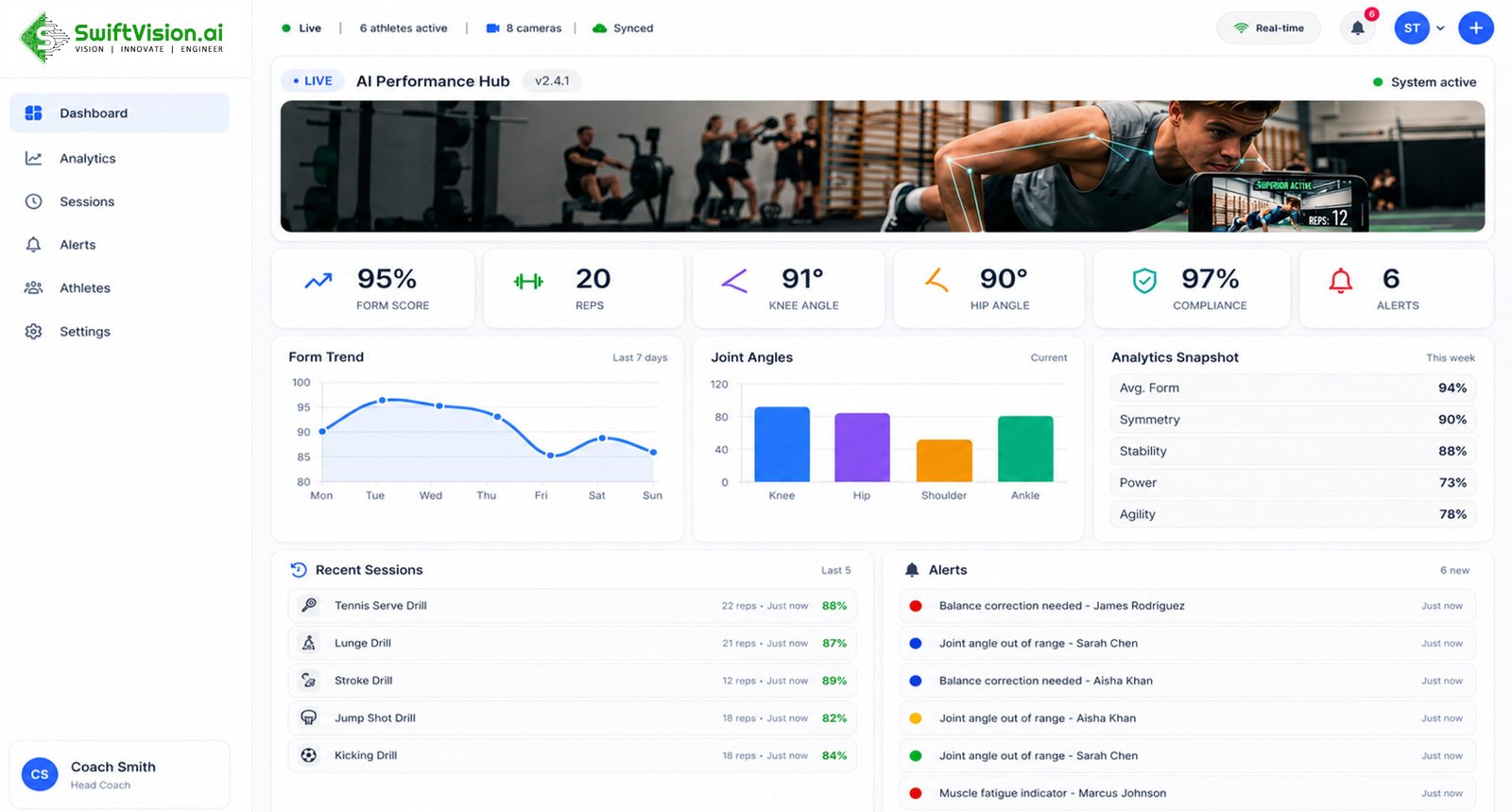
Real deployments, real outcomes. For example, our production AI runs live in sports academies, clinics, retail chains, factories and security operations.
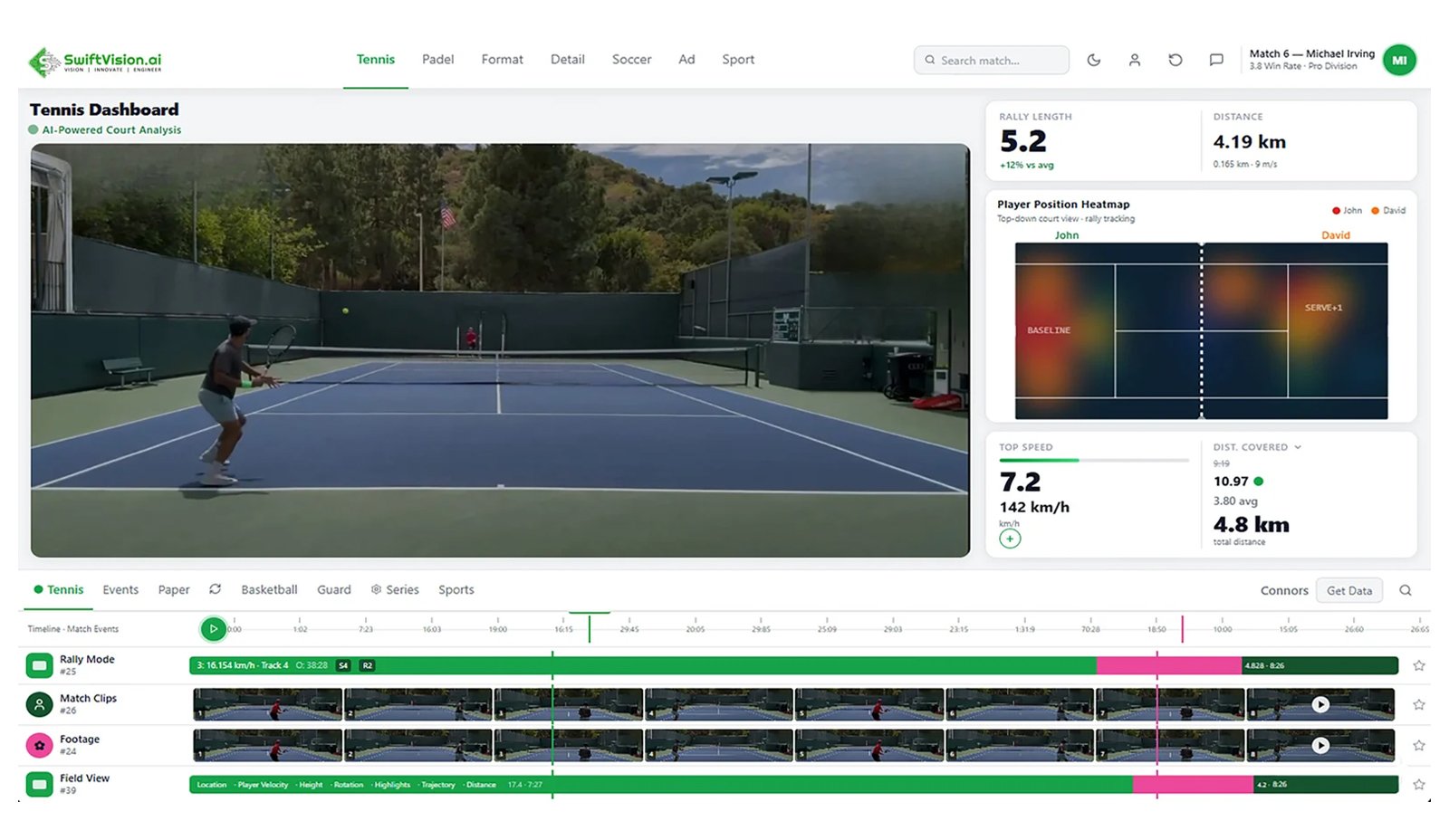
National tennis academy
automated 90% of video review.
First, coaches lost 20+ hours a week on video.
Then, AI tracking and auto-clipping. Dashboards in minutes.
- → 90% reduction in manual review
- → Reports in under 5 minutes
- → Analytics across 18 courts
Rehab network saved 3+ hours
per session with AI pose analysis
However, manual evaluations varied across therapists and slowed patient decisions.
Therefore, AI pose estimation now measures joint angles and scores form automatically.
- → 3+ hours saved per session
- → Consistent objective data
- → In-session progression decisions
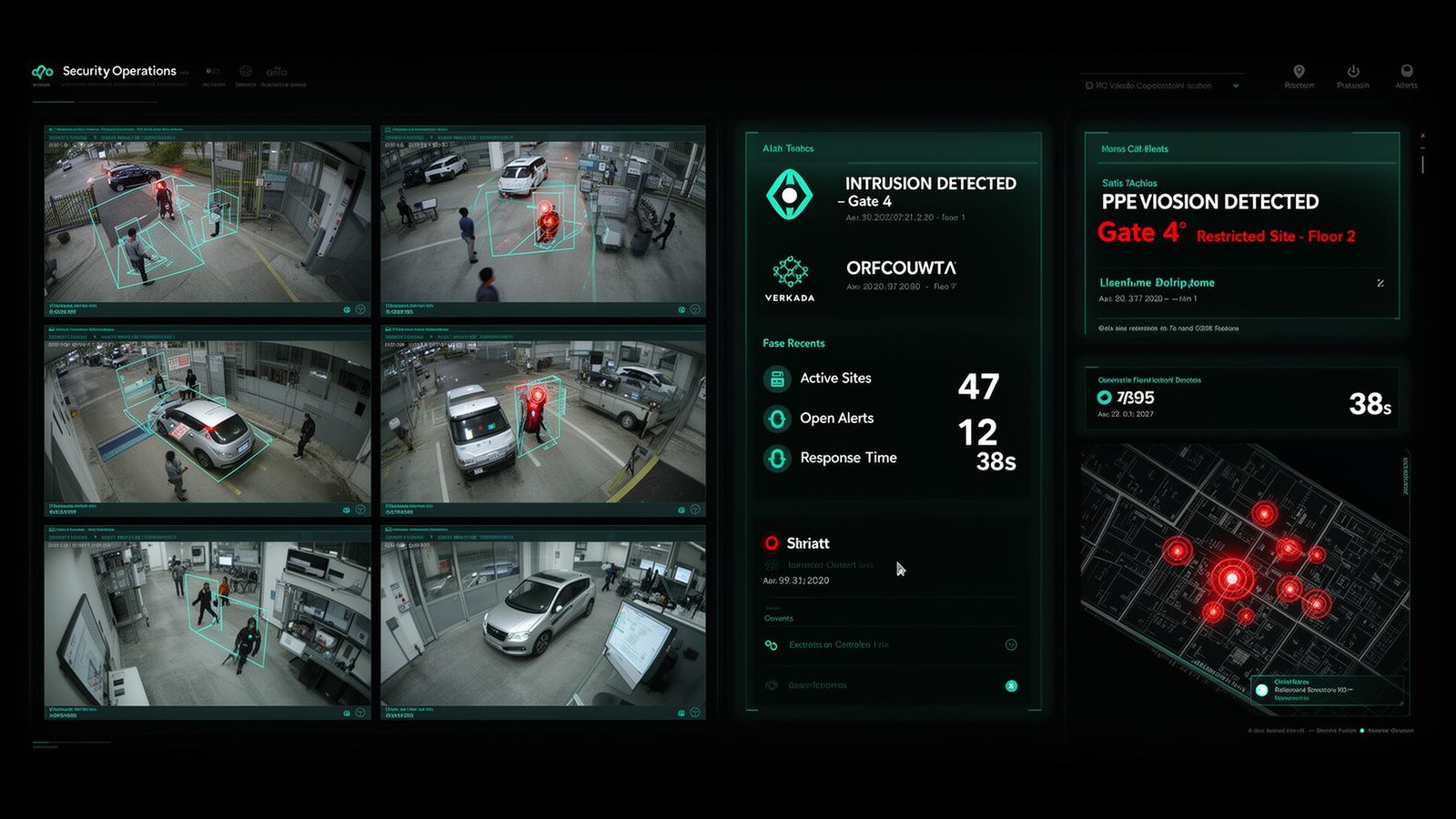
98% Incident Reduction
Across 47 Facilities
However, monitoring was reactive and response was slow across 47 distributed facilities.
As a result, real-time CCTV analytics now detect intrusion, PPE and restricted-zone events in one workflow.
- → 98% reduction in security incidents
- → 50% faster incident response times
- → 47 facilities deployed in 60 days
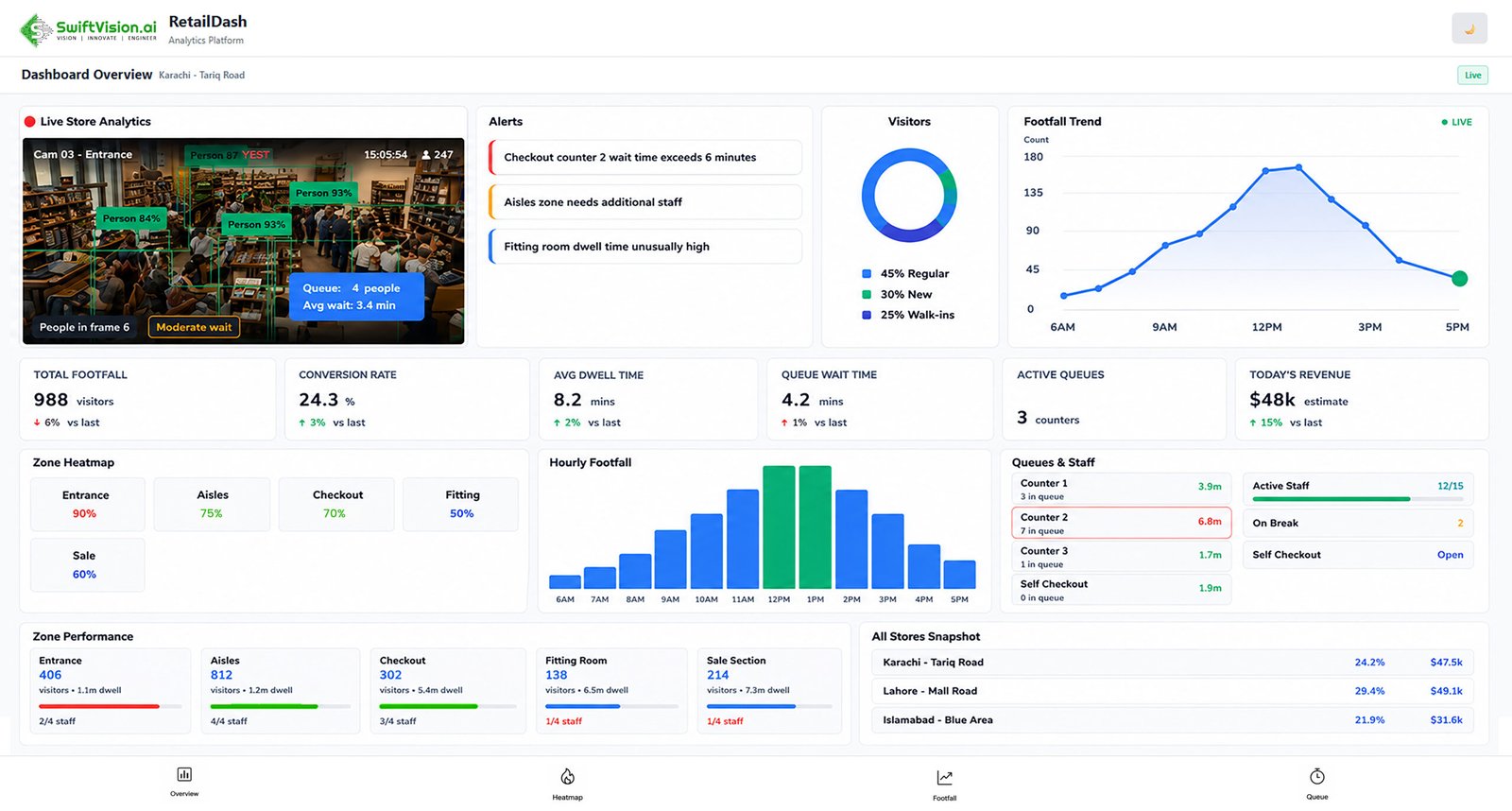
95% Conversion Lift
Across 220 Stores
However, uneven staffing caused long queues and lost sales.
Therefore, retail analytics software with live queue tracking moved staff where needed.
- → 95% conversion lift
- → 42% queue wait reduction
- → Standardized KPIs across 220 stores
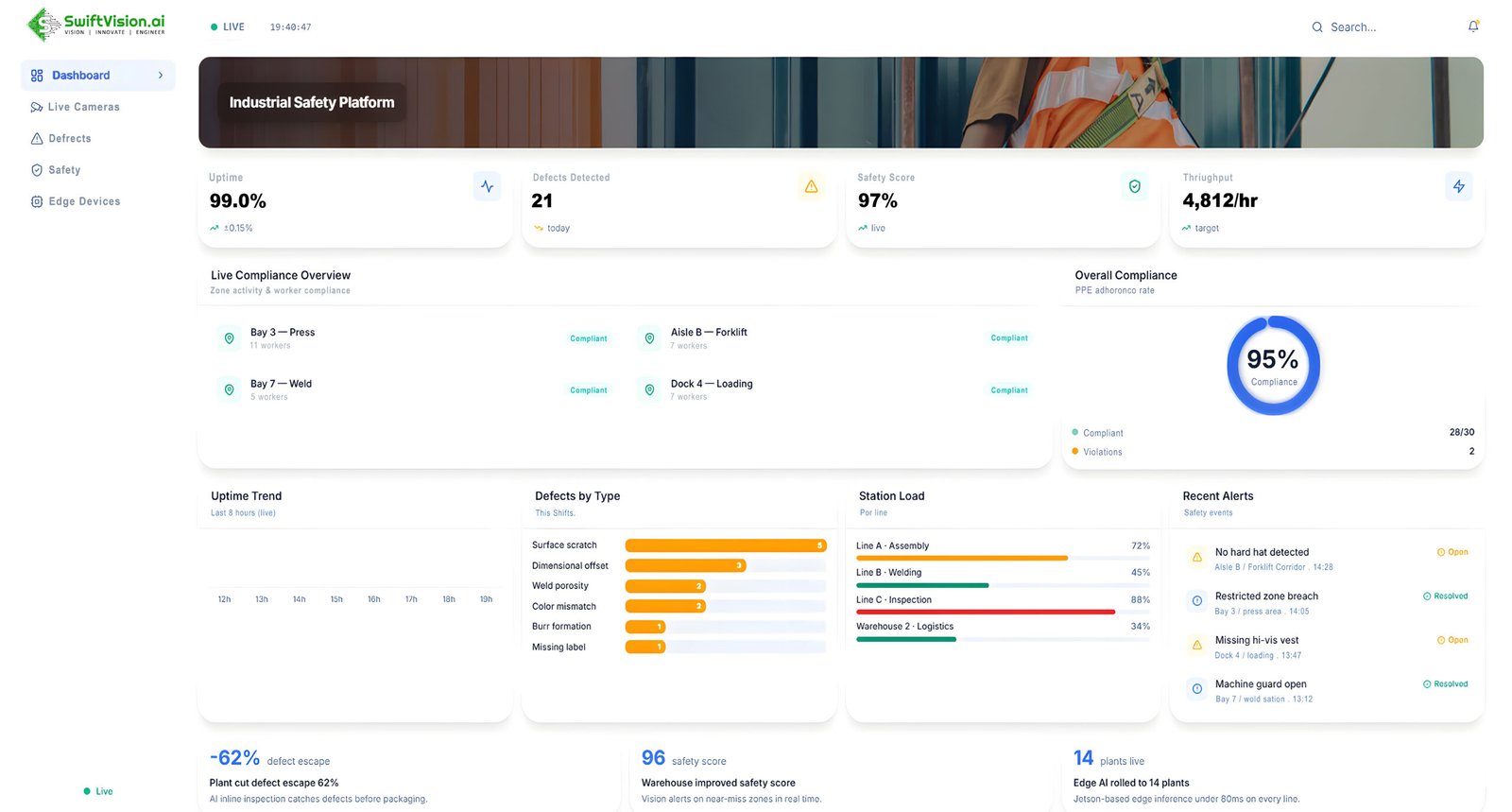
90% Defect Escape Reduction
Across 14 Plants
However, manual inspection missed defects that moved downstream.
Therefore, AI visual inspection runs on every line at sub‑80ms.
- → 90% defect escape reduction
- → Sub‑80ms inference speed
- → Deployed to 14 plants
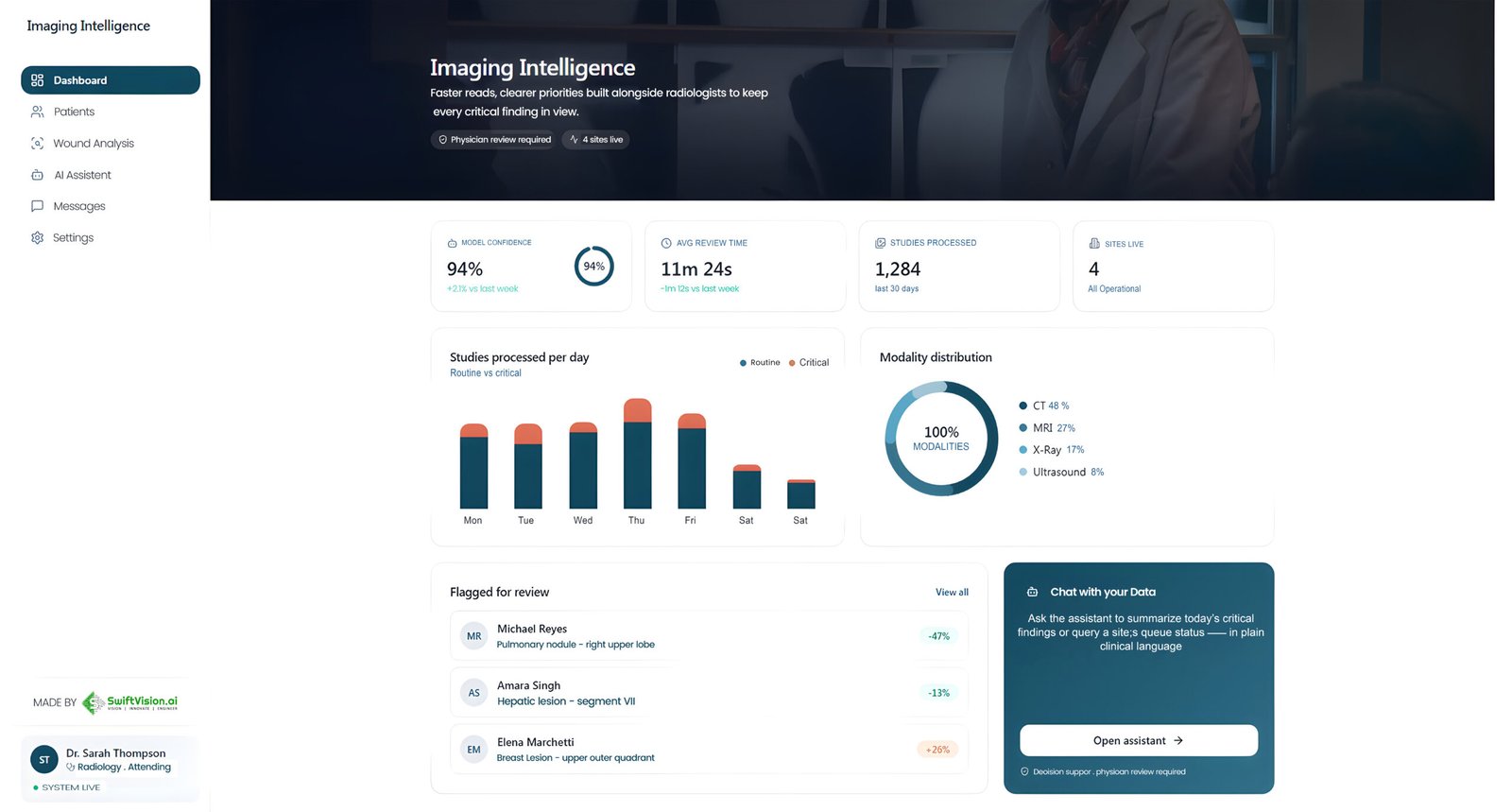
90% Faster Triage
Across 8 Sites
However, long reading queues buried critical findings.
Therefore, AI radiology software prioritizes high-risk studies with overlays.
- → 90% faster triage
- → Unified workflows across 8 sites
- → 12k+ studies processed monthly
Computer vision results
at a glance.
Six production deployments across sports, physiotherapy, security, retail, manufacturing and medical imaging, with the result each team measured.
| Industry | Challenge | AI solution | Result |
|---|---|---|---|
| SportsNational tennis academy, 18 courts | Previously, coaches spent 20+ hours a week on manual video review. | Then, AI player and ball tracking automated clipping and dashboards. | 90%less manual video review |
| PhysiotherapyRehab clinic network | Previously, movement assessments varied from therapist to therapist. | Then, AI pose estimation added joint angle measurement and form scoring. | 3+ hrssaved per session |
| SecurityMulti-site enterprise, 47 facilities | Previously, monitoring was reactive and incident response was slow. | Then, real-time CCTV analytics flagged intrusion, PPE and restricted-zone events. | 98%fewer security incidents |
| RetailSpecialty retail chain, 220 stores | Previously, uneven staffing caused long queues and lost sales. | Then, retail analytics software tracked live queues and footfall. | +95%conversion, 42% shorter queue waits |
| Manufacturing14 production plants | Previously, manual inspection missed defects that moved downstream. | Then, AI visual inspection ran on every line with sub-80ms edge inference. | 90%fewer defect escapes |
| Medical imagingImaging network, 8 sites | Previously, long reading queues buried critical findings. | Then, AI radiology software added segmentation overlays. | 90%faster triage, 12k+ studies a month |
Computer vision case studies,
your questions answered.
What teams ask before they start their own AI project.
How long does a computer vision project take?
Overall, it depends on the number of sites, cameras and AI models. Most projects first start with a pilot on a few cameras and then roll out site by site. For example, in the security case study above, AI went live across 47 facilities in 60 days.
Can these results work in my industry?
In most cases, yes. Indeed, the same platform powers every case study on this page, from tennis courts to factories and imaging networks. However, results depend on your cameras, workflow and goals. For this reason, we start with a pilot and agree on what to measure before rollout.
Do I need new cameras?
Usually not, because SwiftVision AI works with standard IP and CCTV cameras. Therefore, most projects run on the cameras you already have. Before rollout, we also check camera angles and image quality.
How do you measure ROI?
First, before a pilot starts, we agree on the numbers that matter to you, such as incidents, defect escapes, queue time or hours of manual review. Then the dashboard tracks those numbers. As a result, you can compare your results before and after AI.
Can I speak to a reference client?
Unfortunately, we cannot name every client publicly, so some case studies are anonymous. However, you can ask during your demo, and we will share the references we can.
How do I start a pilot?
First, book a demo and tell us about your sites, cameras and the problem you want to solve. After that, we will suggest a pilot scope and the results to measure.
Deploy Enterprise AI Systems Built
for Real-World Operations
Discuss your AI deployment goals with our team and explore scalable AI infrastructure.